
Separation is hardly ever straightforward. Whether you’re ending a brief marriage or dividing decades of common residential or commercial property, comprehending Michigan separation regulations assists you come close to the procedure with quality and control. If you stay in Oakland County or Wayne Region, it’s particularly helpful to understand how regional court treatments may affect your case.
Below, we’ll break down exactly how to file for divorce in Michigan, what to get out of the separation process, how much it may set you back, and why having a knowledgeable family legislation attorney on your side can make all the difference.
How Separation Works in Michigan
Michigan is a no-fault divorce state, implying neither partner requires to confirm misbehavior to submit. The only legal need is that event testifies that there has been a total breakdown of the marital relationship, and there’s no sensible possibility of reconciliation.
That straightforward declaration begins a complex procedure entailing property division, kid custody, and often spousal support, depending on your scenarios.Read more More about Michigan L 4258 At website Articles
Exactly how to Declare Separation in Michigan: Detailed
If you’ve determined to submit, your first step is to file a complaint for Separation in the Circuit Court of the area where you or your spouse lives. In Michigan, that’s the Household Department of the Circuit Court.
So, if you reside in Oakland County, you would certainly submit at the Oakland County Circuit Court in Pontiac; if you stay in Wayne Region, you would certainly submit at the Wayne Area Clerk’s Workplace in the Coleman A. Youthful Municipal Center, Detroit.
Step 1: Inspect Residency
You need to fulfill Michigan’s residency demands prior to declaring:
- You (or your spouse) must have lived in Michigan for at least 180 days prior to filing.
- You must have resided in your existing area for at the very least 10 days prior to declaring.
If those boxes are inspected, you’re eligible to begin.
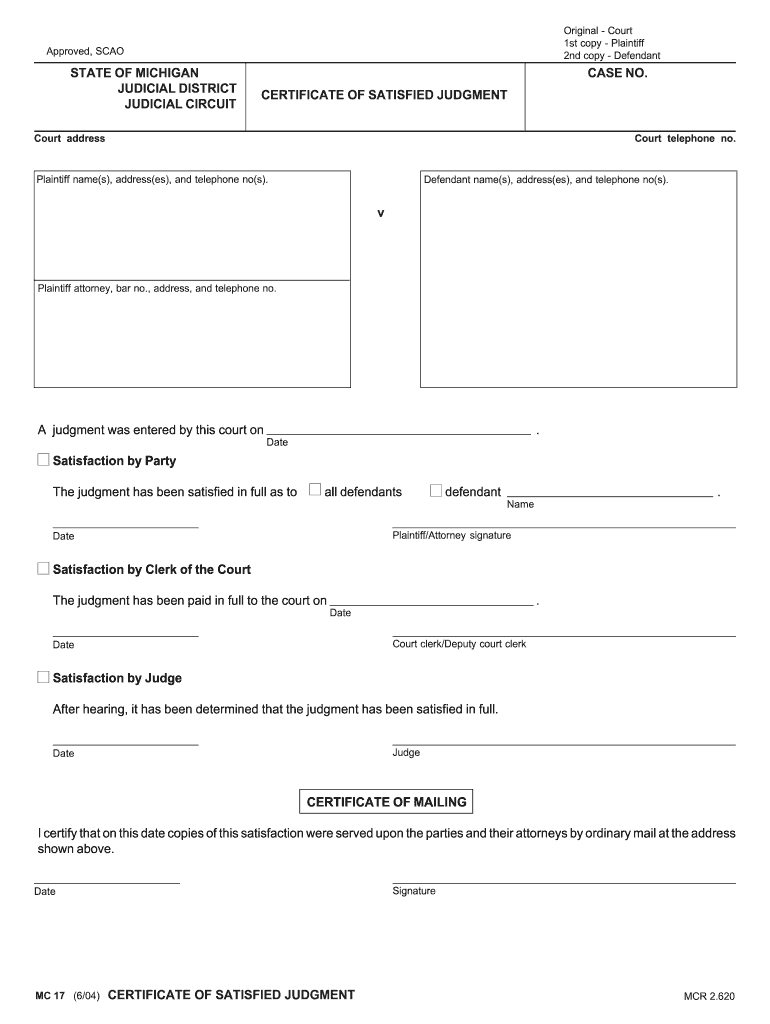
Action 2: Prepare the Documents
You can get separation forms from:
- The clerk’s workplace at your court
- The State of Michigan HHS site
- Your separation lawyer
The core records include:
- A Grievance for Divorce (the major request)
- A Summons
- A Document of Divorce or Annulment
- A Confidential Instance Inventory (if small children are included)
If you have minor kids, extra kinds about custody and assistance will certainly be required. You’ll need to fill up these out totally and properly prior to filing.
Step 3: Submit the Complaint
Bring your finished kinds to the Circuit Court clerk’s office. As soon as filed, the court will certainly assign your instance a number and a judge.
Step 4: Serve Your Spouse
After filing, you should legitimately serve your partner with duplicates of the records. That can either be performed in person by somebody over 18 that is not associated with the instance or by licensed mail. Look into our guide on serving divorce papers to learn more.
You’ll then submit an evidence of service with the court.
Step 5: Wait On a Reaction
Your spouse (the ‘accused’) has:
- 21 days to respond if offered personally, or
- 28 days if served by mail or out of state.
If they do not react, you can request a default judgment. If they do, your case moves forward towards mediation or test, relying on whether it’s contested or uncontested.
Do You Need a Lawyer to Declare Separation?
No, you’re not lawfully required to hire an attorney to start a separation in Michigan, yet many people do as soon as documentation or home issues obtain complicated. While you can always declare yourself without lawful depiction (pro se), doing so puts you at risk.
Also a tiny oversight in the papers, submitting procedure, or required disclosures can delay your case, effect guardianship choices, or cause an unjust division of assets. Without lawful assistance, it’s also simple to misconstrue your civil liberties, forget economic responsibilities, or consent to terms that do not serve your lasting passions.
Threats of Declaring a Divorce Pro Se
- Asset Division Errors: You may undervalue, omit, or misclassify marriage home.
- Guardianship Problems: Insufficient or unclear parenting strategies can cause disputes or court hold-ups.
- File Mistakes: Inaccurate kinds or missing details can reduce or jeopardize your situation.
- Financial Oversights: Without lawful input, it’s simple to miss surprise debts or future responsibilities.
- Lawful Errors: Misinterpreting state regulations may restrict your legal rights or protect against correct enforcement.
- Missed Deadlines: Filing late or in the wrong venue can postpone process or lead to dismissal.
- Unjust Agreements: You might consent to terms that downside you lasting without understanding it.
Always Select a Lawyer
An attorney will certainly aid you full forms appropriately, see to it all deadlines are fulfilled, and battle to secure your civil liberties from day one. They’re your companion throughout the separation hearings, and come with expertise and experience in tackling such situations. Divorce lawyers help safeguard you from any kind of pricey errors throughout the process.
At The Rubinstein Law Firm, we often begin assisting clients before they file. That very early guidance protects against errors that can delay the procedure or influence home and custodianship results later.
Just how much Does a Separation Expense in Michigan?
There’s no one-size-fits-all response, but anticipate to pay $175-$255 in court filing charges, plus attorney’s fees based upon the instance’s intricacy.
Boost when disputes develop over properties and financial debts, guardianship and parenting time, or residential property settlement arrangements. A competent attorney can assist you recognize where to improve documents, stay clear of unnecessary hearings, and reach a resolution effectively, conserving both money and time.
Michigan Separation Timelines: How Long Does the Process Take?
The quickest feasible waiting duration for a separation without minor children is 60 days. If minor youngsters are included, the state imposes a 180-day waiting duration to allow time for parenting strategies and custody agreements.
That stated, the overall timeline of divorce procedures differs commonly based upon:
- Whether the instance is opposed
- How quickly partners can settle on departments of property and parenting time
- The court’s scheduling backlog
Cases involving children typically take several months or even more, relying on intricacy and teamwork between parties.
What Happens During the Waiting Duration
While you’re waiting, a number of points can take place depending on the intricacy of your instance:
- Momentary orders might be issued for youngster assistance, parenting time, or use marriage building.
- You and your partner (via your attorneys or conciliators) can work out settlements on property division, guardianship, and finances.
- If disagreements remain, your case might move to arbitration or a court hearing prior to the assigned judge.
In many uncontested separations, pairs settle on all major concerns and only require a short court appearance (or none at all) prior to a last judgment is gotten in.
In objected to situations, especially those involving children or significant home, the process can take several extra months – or longer if trial days are postponed.
Regional Timelines: Oakland & Wayne County
Both the Oakland and Wayne Area Circuit Courts follow the very same Michigan divorce laws, but their instance volume and organizing can influence timing.
Oakland County’s family members department usually moves situations efficiently, frequently organizing very early mediation. Wayne Area’s docket is heavier, so listening to dates may take longer to safeguard, but aggressive instance management by your attorney can assist keep things on track.
How Michigan Separation Courts Deal With Divisions of Property & Guardianship
Our Oakland and Wayne County divorce lawyers have years of experience navigating the ins and outs of intricate situations. We’ll defend you to get your rightful share every action of the means, with a full understanding of how the courts usually come close to divorces.
Separating Property & Properties
Michigan complies with the guideline of fair distribution, meaning residential or commercial property isn’t immediately split 50/50. Rather, the goal is to divide it relatively based on each partner’s situation.
Courts take into consideration factors such as:
- The size of the marriage
- Each spouse’s contribution to marriage property
- Everyone’s earning ability
- Any kind of separate home had prior to marriage
Marriage possessions might include your home, retirement accounts, cars, or other jointly gotten building. Juries aim for justness, not precise equal rights.
Custody & Parenting Time
When small kids are included, courts prioritize their best interests. Michigan courts encourage joint protection setups whenever feasible, promoting constant parenting time for both parents.
Elements affecting custodianship decisions include the psychological connections between parent and kid, stability of the home environment, and each moms and dad’s desire to sustain the other’s connection with the youngster.
When to Hire a Separation Attorney
Also in an uncontested separation, Michigan’s procedural demands and waiting periods can create confusion. A well-informed lawyer strives to shield your civil liberties when splitting residential property, discussing parenting time, or filing motions with the court.
At The Rubinstein Law Practice, our family legislation lawyers take a personal approach to each separation situation, managing paperwork immediately, maintaining open communication, and moving situations onward swiftly so our customers can begin the following chapter of their lives.
Ready to Take the Following Step?
If you’re filing for separation in Oakland County or Wayne County, get simple lawful suggestions before you start. The Rubinstein Law practice provides free consultations to examine your alternatives, describe what to anticipate, and help you prepare for every action in advance.