
The Allure of Casinos: Understanding the Attraction
The psychology behind casino gaming habits is deeply rooted in the thrill and excitement associated with gambling. For many, entering a casino is akin to stepping into a realm of possibilities where fortune could change within moments. This attraction is influenced by several psychological factors, including the promise of reward, the social environment, and the adrenaline rush that accompanies high-stakes games. Some players may even explore online slots real money missouri as a way to experience the thrill from the comfort of their homes.

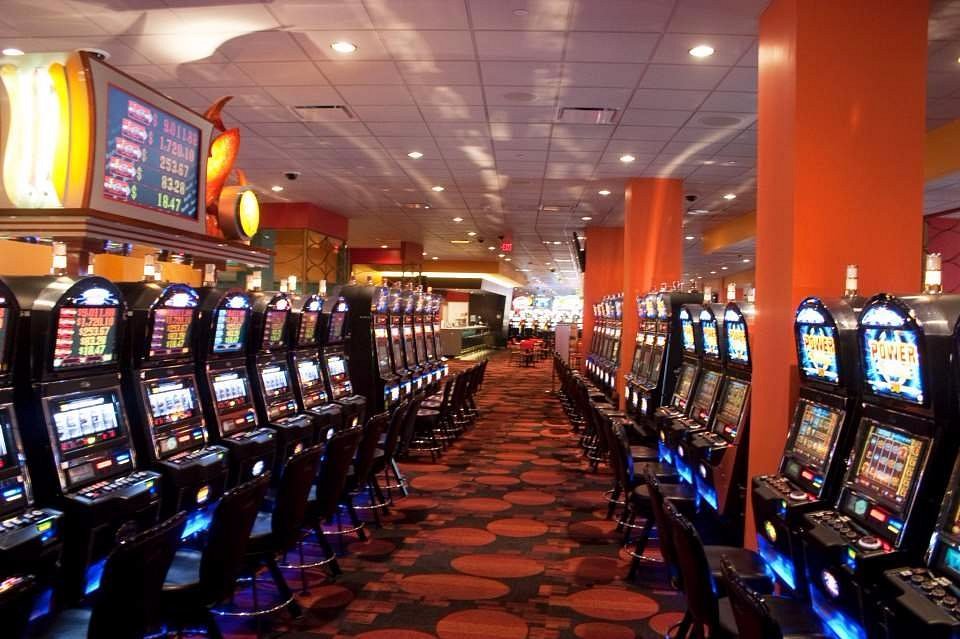
Moreover, the ambiance of a casino plays a pivotal role in enhancing these feelings. Bright lights, vibrant sounds, and the hustle and bustle create an intoxicating atmosphere that draws players in. This sensory overload can trigger emotional responses that lead to increased gambling behavior, as individuals seek to replicate the euphoric feelings associated with potential wins.
The Role of Cognitive Biases in Gambling
Cognitive biases significantly shape how players engage with casino games. One of the most common biases is the illusion of control, where gamblers believe they can influence the outcome of random events. This misconception can lead to increased betting behavior, as players feel a false sense of empowerment over their chances of winning.
Additionally, the gambler’s fallacy—where individuals believe that past outcomes will affect future results—can further entrench gaming habits. For instance, a player may think that a slot machine is «due» for a win after a series of losses, prompting them to continue playing in hopes of a breakthrough. Understanding these cognitive distortions is essential for addressing gambling behavior and promoting responsible gaming.
Emotional Triggers and Gambling
Emotions play a crucial role in gambling habits, with both positive and negative feelings driving players to the casino floor. For some, gambling serves as an escape from stress, anxiety, or boredom, providing a temporary reprieve through the excitement of gameplay. The ability to win money can also evoke feelings of happiness and satisfaction, reinforcing the desire to return to the casino.
Conversely, negative emotions can lead to problematic gaming habits. Players who experience loss may chase their losses, continuing to gamble in hopes of recovering their funds. This cycle can create a detrimental relationship with gambling, leading to increased frequency and intensity of play. Recognizing the emotional triggers at play is vital for understanding the dynamics of casino gaming behavior.
The Social Aspect of Gambling
The social environment of casinos is another significant factor influencing gaming habits. Many players find camaraderie in the shared experience of gambling, often enjoying games with friends or family. This social interaction can enhance the overall experience, making it more enjoyable and memorable. The presence of others can also create a sense of competition, pushing individuals to participate more actively in gaming.
Furthermore, casinos often host events and promotions that foster a sense of community, encouraging players to return frequently. Such activities can deepen their commitment to gaming and strengthen the psychological ties to the gambling environment, further entrenching their gaming habits.
Enhancing Responsible Gaming Through Psychology
Understanding the psychology behind casino gaming habits is essential in promoting responsible gaming practices. By recognizing the factors that drive gambling behavior, stakeholders can create strategies to encourage healthier interactions with gaming. This includes offering educational resources, setting limits on play, and providing tools for self-assessment to help players understand their gambling patterns.
Websites dedicated to responsible gambling can play a key role in this process, supplying players with insights and strategies to maintain a balanced approach to gaming. Empowering players with knowledge about their own behaviors not only enhances their gaming experience but also contributes to a safer and more responsible gambling environment overall.